Join the SignalWire Support Team Today from 10 AM to 3 PM EST!
Drop by our virtual room for the SignalWire Hangout—a weekly opportunity where you can collaborate directly with our Support Team, ask questions, check on open support tickets or vibe code along with us. Join any time from 10am to 3pm EST and stay for as long as you wish!
Our updated developer documentation is are designed to make it easier to find what you need, understand how the platform works, and move from exploration to implementation faster. Along with a refreshed structure and improved navigation, the new documentation provides a clearer path through core concepts, APIs, guides, and product-specific resources.
What’s new:
Improved organization across products and developer workflows
Clearer navigation and optimized search capabilities to help find relevant content
Updated guides and reference material for a more consistent experience
Refined API documentation for clearer, more complete, and more accurate guidance
A stronger foundation for ongoing documentation improvements
This update is part of our continued investment in the developer experience. Explore the new developer documentation now.
Did you like this update?
{error_message}
Leave your name and email so that we can reply to you (both fields are optional):
Voice AI demos are everywhere: perfect caller, perfect response, no surprises. Production is different.
In real deployments, speech recognition mishears callers, APIs timeout, conversations drift, and latency starts breaking the experience. That gap between a working demo and a reliable voice system is where most projects fail.
Join Brian West (Head of Developer Experience) for a 30-minute SignalWire LIVEWire on the five engineering patterns that repeatedly break Voice AI in production—and what to build instead.
What you’ll learn
Prompt-Stuffed Architecture: why stuffing business logic into prompts backfires
Implicit State Machines: why flow needs an explicit state model
Ignoring the Voice Latency Budget: how silence kills UX and how to measure it
Tool Calls as an Attack Surface: why unconstrained tools create chaos
Zero Post-Call Observability: what telemetry you actually need beyond transcripts
The Conference Audience feature has been deprecated and removed as part of ongoing platform modernization efforts.
This change supports improvements to platform stability and enables new regional infrastructure.
Removal of Dashboard Info Panel
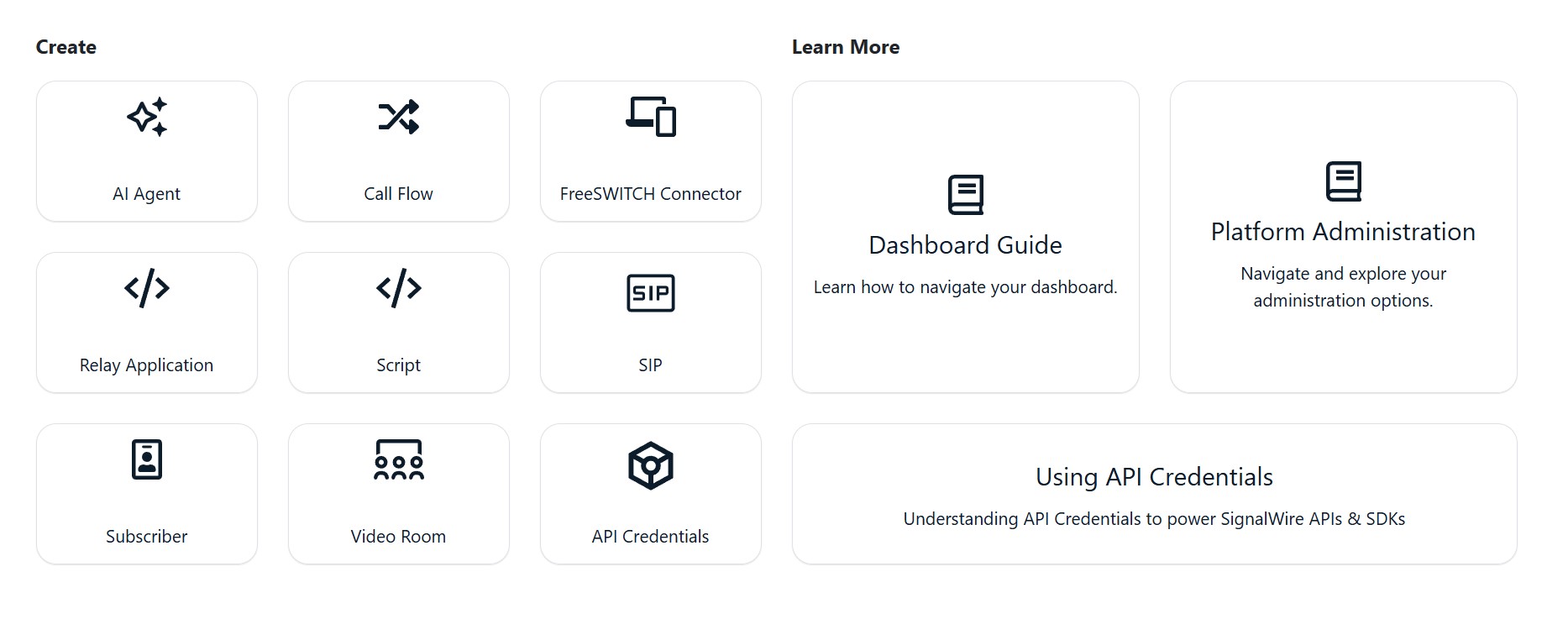
The Home Dashboard has a new look! To improve navigation, usability and access to resources the expandable info panel has been removed and you will now see a cleaner, text-based dashboard.
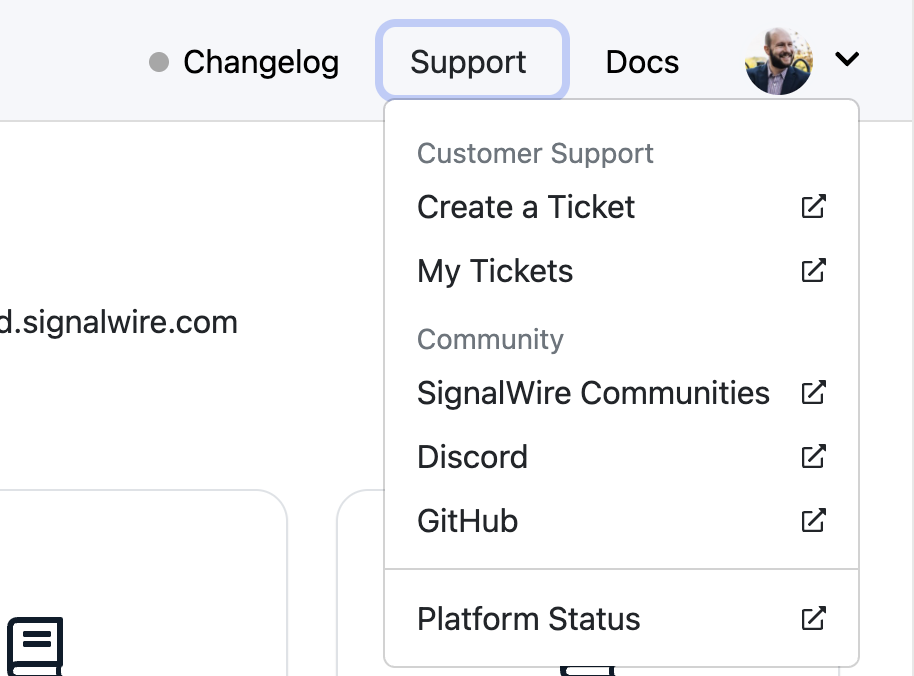
New dedicated links for Changelog, Support, Docs, and Community resources can be found in the top right menu, Including direct access to the Status page and Documentation links ( that now open in a new window for easier reference)
⚠️ Shutdown of Bahrain RTC POP
The Bahrain RTC POP will be retired on March 27, 2026.
Calls will automatically route to the next closest available node. No action needs to be taken at this time.
Any active calls on this node will continue until completion.
Introducing a new Voice Analytics Dashboard, giving you a high-level view of voice call health across your project.
This new dashboard makes it easier to identify potential issues, monitor performance trends, and understand overall voice health — all without needing to build custom observability workflows.
Where to find the new dashboard.
The Voice Analytics Dashboard is now available. Navigate to “Analytics” from the left hand menu → select the submenu “Voice”.
The code editor toolbar has been enhanced for easier script management. You can now copy scripts directly from the toolbar, and read-only editors still provide access to tools like copy and resize.
🧪 New “Click to Test” Button
You can now test resources directly from the browser. A new Click to Test button on the Resource detail screen lets you initiate a test call without assigning a handler or using an external phone.
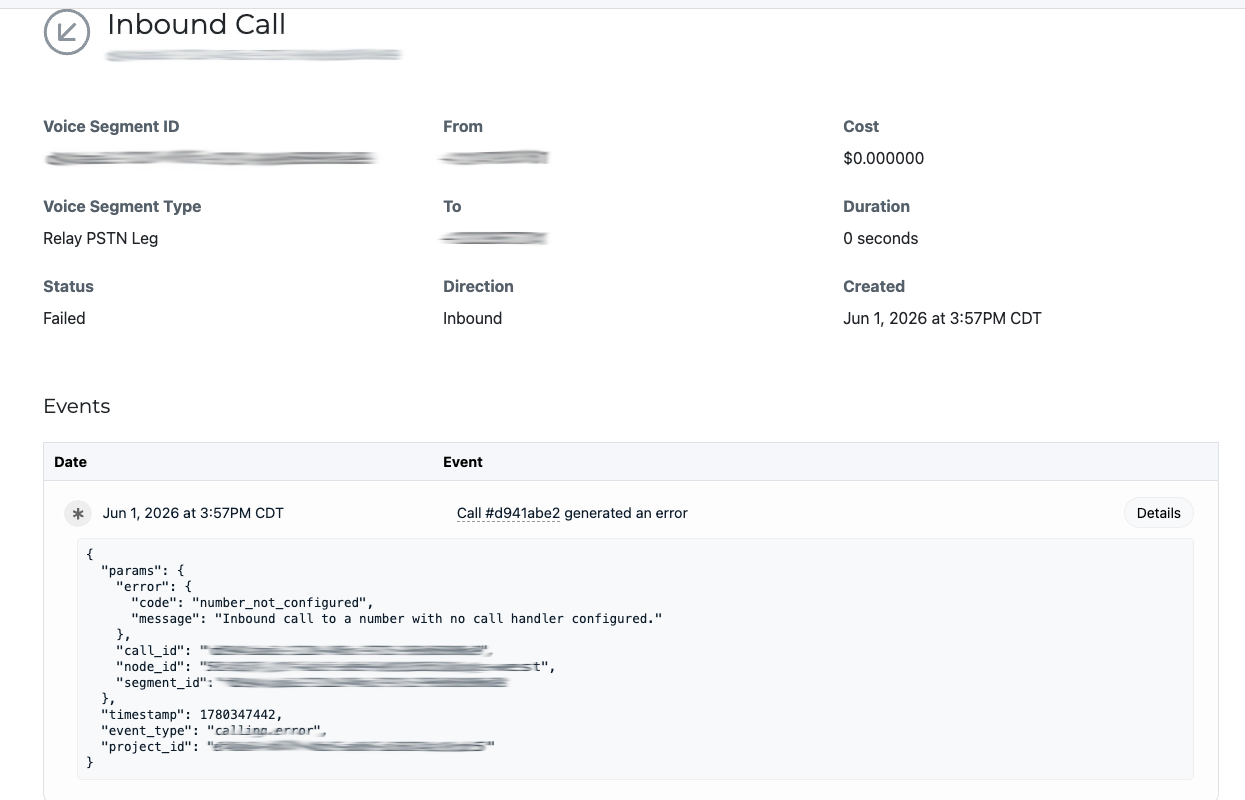
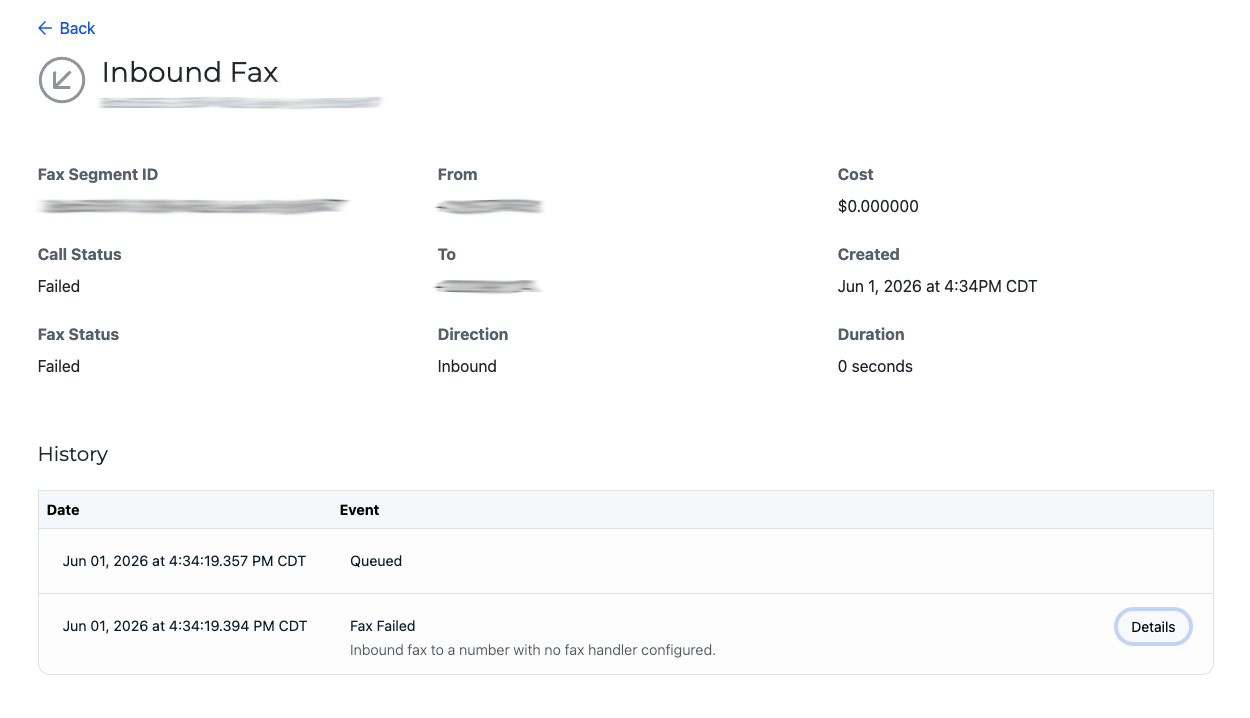
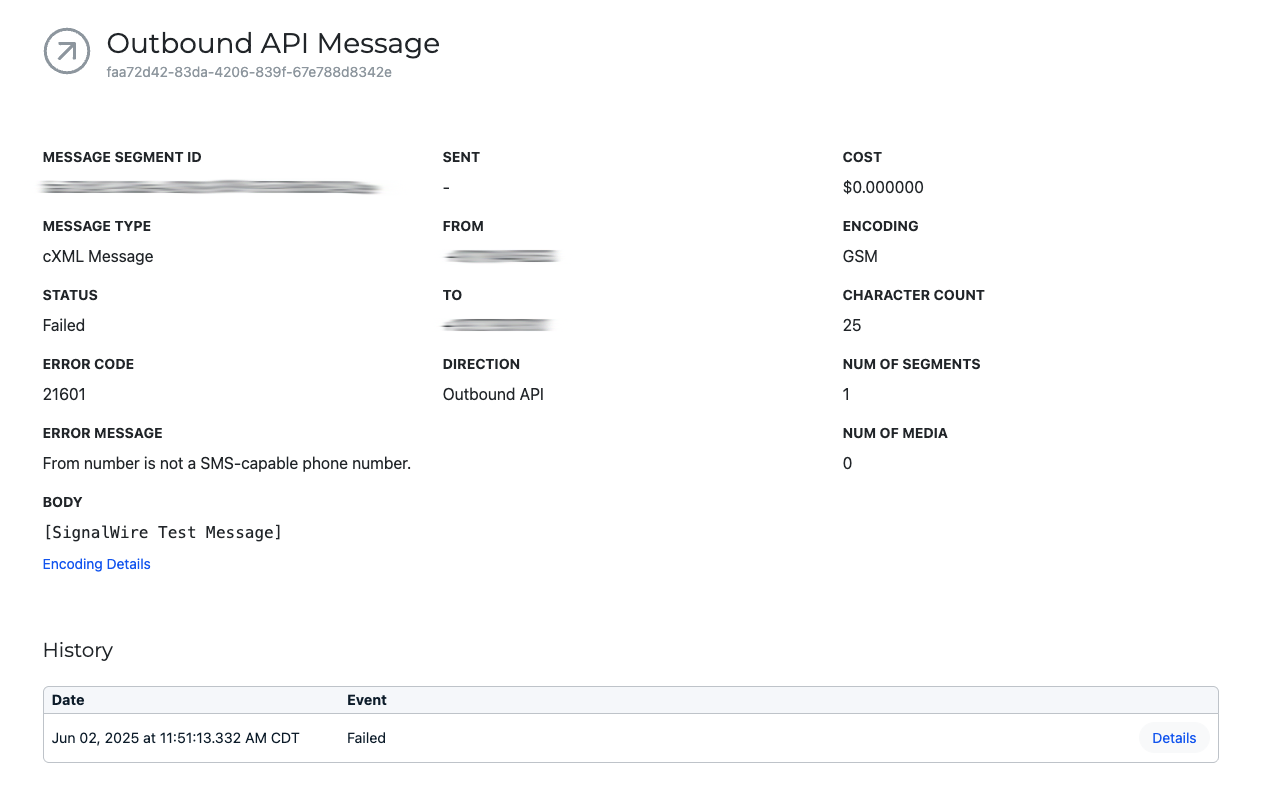
Inbound Messages Now Visible in Logs Inbound messages sent to numbers without a handler assigned will now appear in logs. Why it matters: Improved troubleshooting and full message visibility.
Phone Number Status Callback Update Restored Fixed an issue preventing status callback URLs from being updated when a Relay application handler was assigned. Why it matters: Phone number configurations now update as expected.
FriendlyName Persists via Compatibility API The optional FriendlyName field now stores correctly when creating numbers through the Compatibility API. Why it matters: More reliable API configuration.
We’ve added Call Quality Metrics to your call details view to help you quickly understand call performance and troubleshoot audio issues. You can now review:
MOS score (overall audio quality)
Jitter (audio stability)
Packet loss & packet stats (network impact on audio)
DTMF and advanced metrics (helpful for diagnosing keypad/IVR interactions)
These metrics are available on a per-call basis so you can pinpoint what happened and share details with your team faster.
Improved SWML Script Editor We’ve unified the code editor experience across legacy Spaces and the Call Fabric UI. There is now one editor with improved usability and validation features, including:
• Formatting improvements (multi-line rendering and cleaner defaults) • Syntax checks for YAML/XML (basic error detection) • Schema validation for SWML (YAML) • Resizable editor options • Default starter content when creating a new SWML Script (no more blank editor)